Source Brushed Electric Rear Axle for Tricycles, ATVs, and Golf Carts
Find and compare 30 brushed electric rear axle options for electric leisure tricycles, ATVs, and golf carts. Review specifications including drum and disc brake systems, power ratings from 1200W to 2200W, and customization availability to select the right component for your vehicle assembly needs.
Key considerations
Products List


Comprehensive Sourcing Guide
Brushed Electric Rear Axle Sourcing Guide
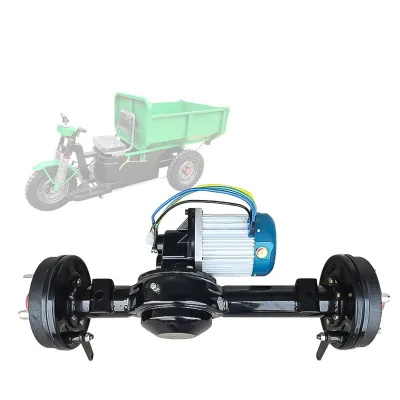
The brushed electric rear axle serves as a critical drivetrain component for light electric mobility solutions, specifically designed to integrate motor power transmission with vehicle suspension and braking systems. Based on observed market listings, these units are predominantly engineered for electric leisure tricycles, motorized tricycles, ATVs, and golf carts, where reliability and compact integration are paramount. Buyers must recognize that while the core function remains consistent, the specific mechanical architecture varies significantly depending on the intended vehicle class, ranging from 180mm integrated shift models to heavy-duty 4x4 configurations.
Procurement of these axles requires a nuanced understanding of the supply landscape, which currently features a diverse range of specifications including power ratings from 1200W to 2200W and various speed ratios such as 1:10 and 1:26. The market data indicates a strong presence of manufacturers from Henan, Jiangsu, and Zhejiang provinces in China, offering products that range from single-item purchases to bulk OEM orders. Sourcing success depends on aligning the specific power and dimension requirements of the end vehicle with the available standardized or customized models, ensuring that the selected axle supports the intended load and performance profile without compromising safety or efficiency.
Product Scope and Observed Listing Signals
When evaluating product listings, buyers should first verify the specific application compatibility, as the data shows a clear segmentation between components designed for electric leisure tricycles and those intended for heavier applications like trucks or 4x4 vehicles. The observed product names and model numbers, such as "160 Rear Axle 48V 800W" or "130mm rear axle," provide immediate clues regarding the voltage and physical dimensions required for integration. It is essential to distinguish between standard off-the-shelf units and those marked as "Customized" or "OEM & ODM," as the latter often require longer lead times and specific design validation before production can commence.
The physical attributes of the axle, including material composition and color, are also critical signals for quality assessment. Listings frequently specify materials such as steel or iron, with colors ranging from standard black to fully customizable finishes, which may impact corrosion resistance and aesthetic integration. Buyers must scrutinize the "Distance Inside The Brake Disc" and "Length" specifications, as these are often listed as "Customized" in the market, indicating that off-the-shelf dimensions may not fit every chassis design. Confirming these exact measurements against the vehicle's existing frame is a necessary step to avoid costly retrofitting or assembly failures.
Technical Specifications to Verify
Power and speed ratio compatibility form the backbone of technical verification for any brushed electric rear axle. The observed market data highlights a power range of 1200W to 2200W, with specific models like the 2000w variant available, suggesting that buyers must match the motor's output capacity to the axle's torque handling limits. Additionally, the speed ratio, observed as 1:10 or 1:26, dictates the final drive performance and top speed capabilities of the vehicle. Procurement teams should request detailed torque curves and efficiency ratings to ensure the selected ratio aligns with the operational requirements of the specific vehicle type, whether it is a low-speed golf cart or a higher-speed motorized tricycle.
Brake system integration is another critical technical parameter that requires precise verification, as the listings indicate a mix of drum, disc, and "Isc" brake systems. The "Distance Inside The Brake Disc" is a vital dimension that must be cross-referenced with the vehicle's braking hardware to ensure proper fitment and function. Furthermore, the axle number and gear configuration, such as the "9/41" ratio or "4x2" drive layout, must be confirmed against the vehicle's transmission design. Buyers should insist on technical drawings that clearly define the mounting points, shaft diameters, and bearing specifications to guarantee that the axle can withstand the mechanical stresses of the intended application.
Compliance and Safety Documentation
Certification status is a primary indicator of a supplier's adherence to international quality and safety standards. The observed listings frequently cite ISO, DIN, and CE certifications, which are essential for market access in Europe and other regulated regions. Buyers must verify that the specific batch of axles being purchased carries valid, up-to-date certification documents that match the product model number, as certifications can sometimes be generic to the factory rather than specific to every SKU. The presence of these certifications suggests a baseline level of quality control, but they should be treated as a starting point for due diligence rather than a guarantee of performance for every individual unit.
Safety documentation should also include detailed inspection reports and warranty terms, which are explicitly mentioned in the product attributes as "1 Year" and "Video outgoing-inspection." The availability of video inspection records provides a tangible method for buyers to verify the condition of the product before shipment, reducing the risk of receiving damaged or substandard goods. For applications involving public transport or heavy usage, such as electric leisure tricycles, buyers should request additional safety test data regarding load capacity and thermal performance. Ensuring that the supplier provides comprehensive documentation for every shipment is crucial for liability management and regulatory compliance.
Cost Drivers and Commercial Terms
The pricing structure for brushed electric rear axles is influenced by a combination of material costs, customization levels, and order volume. The observed price range of 27 to 5000 USD reflects the vast difference between basic single-item units and complex, customized assemblies with specialized materials or high-power ratings. Buyers should anticipate that models with "Customized" length or specific brake system integrations will command a premium over standard configurations. Understanding these cost drivers is essential for budgeting, as the final price is often a function of the specific technical requirements rather than a flat rate per unit.
Commercial terms, including Minimum Order Quantity (MOQ) and packaging standards, play a significant role in the total cost of ownership. The market data indicates an MOQ range of 1 to 100 units, offering flexibility for small-scale prototyping or large-scale production runs. Packaging varies from standard trays to wooden cases, with some listings specifying "Woodencase" for heavy-duty transport, which impacts shipping costs and handling requirements. Buyers should negotiate clear terms regarding transport methods, such as sea, air, or rail, and ensure that the packaging is robust enough to prevent damage during transit, especially for heavy steel or iron components.
Supplier Qualification and Quality Control
Supplier qualification should extend beyond basic certification checks to include an assessment of their manufacturing capabilities and quality control processes. The observed data points to suppliers located in Henan, Jiangsu, and Zhejiang, regions known for their manufacturing clusters, but buyers must verify the specific production capacity and history of the individual vendor. The mention of "Video outgoing-inspection" suggests that some suppliers are willing to provide visual proof of quality, which is a positive indicator of transparency. However, buyers should also inquire about the supplier's internal testing protocols and their ability to handle "OEM & ODM" requests, as this demonstrates flexibility and technical competence.
Quality control measures must be rigorously defined in the procurement contract to ensure consistency across batches. The "High Quality" attribute observed in listings is a subjective claim that requires objective verification through third-party testing or on-site audits. Buyers should establish clear acceptance criteria for material composition, such as the distinction between steel and iron, and verify that the "Condition" is strictly "New" with no signs of refurbishment unless explicitly stated. Implementing a robust quality assurance plan that includes pre-shipment inspections and random sampling is essential to mitigate the risks associated with variable manufacturing standards in the global supply chain.
Long-Term Procurement Checks
Sustaining a successful procurement relationship requires ongoing monitoring of supplier performance and product reliability over time. Buyers should track warranty claims and return rates to identify any systemic quality issues that may not be apparent during initial sampling. The "1 Year" warranty period observed in the market provides a baseline for accountability, but long-term success depends on the supplier's responsiveness to defects and their ability to provide timely replacements or repairs. Establishing a feedback loop with the supplier allows for continuous improvement and ensures that any design flaws are addressed in future production runs.
Future-proofing the supply chain involves verifying the supplier's ability to adapt to changing market demands and technological advancements. As the electric mobility sector evolves, suppliers must be capable of updating their product lines to meet new efficiency standards or regulatory requirements. Buyers should assess the supplier's R&D capabilities and their track record in delivering "Customized" solutions that align with emerging vehicle designs. Regularly reviewing the supplier's certification status and production capacity ensures that the partnership remains viable and that the supply of critical components like the brushed electric rear axle remains uninterrupted.
FAQs
What certifications do these rear axles hold?
The rear axles hold ISO, DIN, and CE certifications. These standards ensure compliance with international quality and safety requirements for electric vehicle components. Buyers can verify these credentials to meet regulatory needs in various global markets. The certifications apply to the manufacturing process and final product inspection.
Can I customize the length and brake system?
Yes, customization is available for length, brake disc distance, and other specifications. The product supports OEM, ODM, and OBM services to meet specific design requirements. Buyers can request tailored dimensions and braking configurations, such as drum or disc brakes, to fit their unique vehicle platforms effectively.
What is the warranty period for the axle?
The warranty period is one year for the rear axle. This coverage applies to the new condition product provided by the manufacturer. Buyers receive assurance regarding the quality and durability of the steel or iron components during this timeframe, ensuring reliability for electric leisure tricycles and similar applications.
Which applications are compatible with this rear axle?
The rear axle is compatible with electric leisure tricycles, ATVs, golf carts, and motorized tricycles. It supports various power ratings from 1200W to 2200W. The design accommodates different vehicle types, making it versatile for manufacturers producing electric mobility solutions that require robust rear drive systems.
How is the product packaged for shipping?
The product is packaged in wooden cases or standard trays. This packaging ensures safe transport by sea, air, or rail. The sturdy packaging protects the axle from damage during logistics. Buyers can expect secure handling that maintains the product's condition until it reaches the destination port or warehouse.
What is the typical MOQ for this item?
The observed MOQ range is 1 to 100 units. This flexibility allows buyers to order small quantities for testing or larger batches for production. The selling unit is a single item, facilitating easy inventory management. Buyers can negotiate specific quantities based on their supply chain needs and budget constraints.